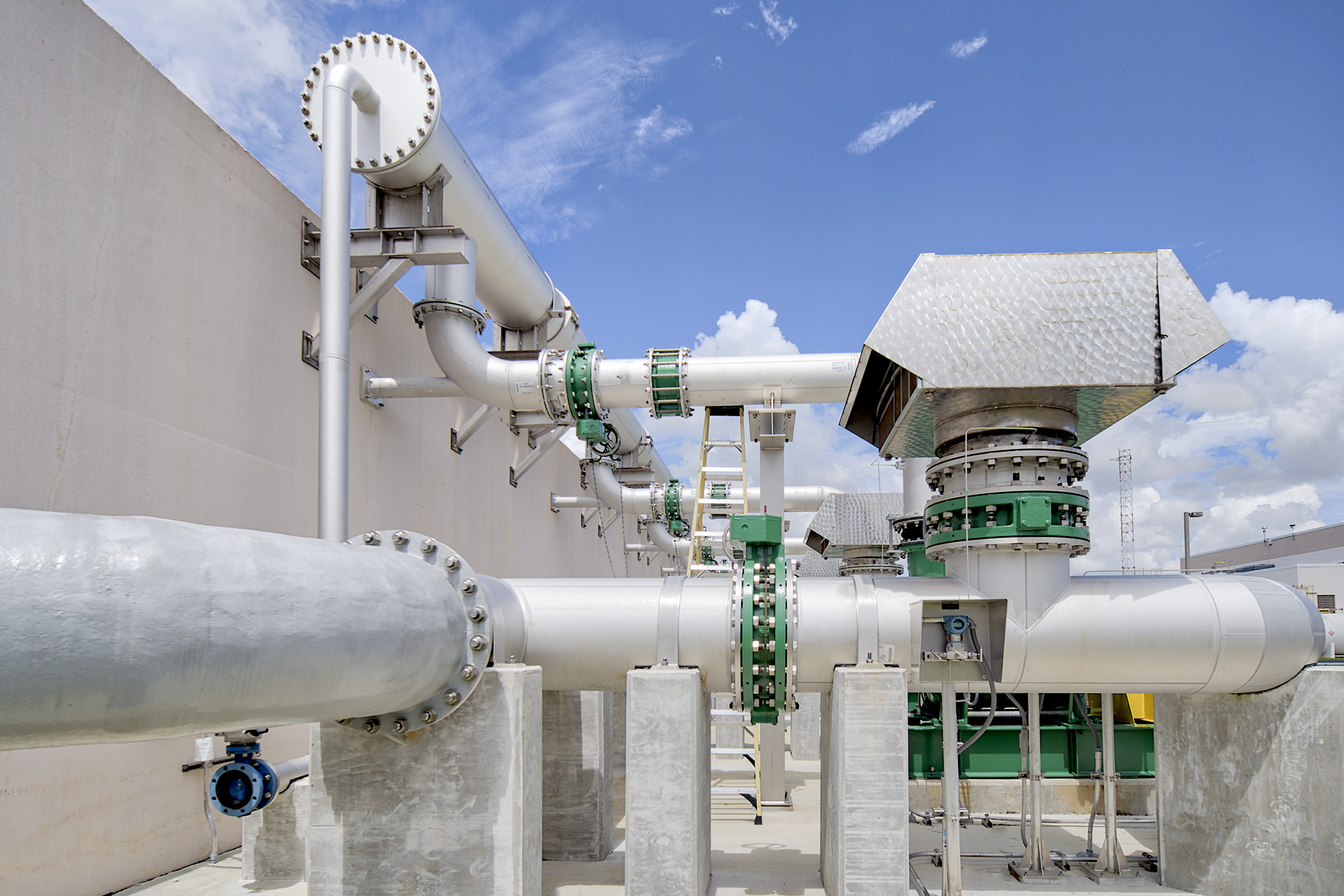
1. Ancient Era (Before 500 CE): Foundations of Climate Control
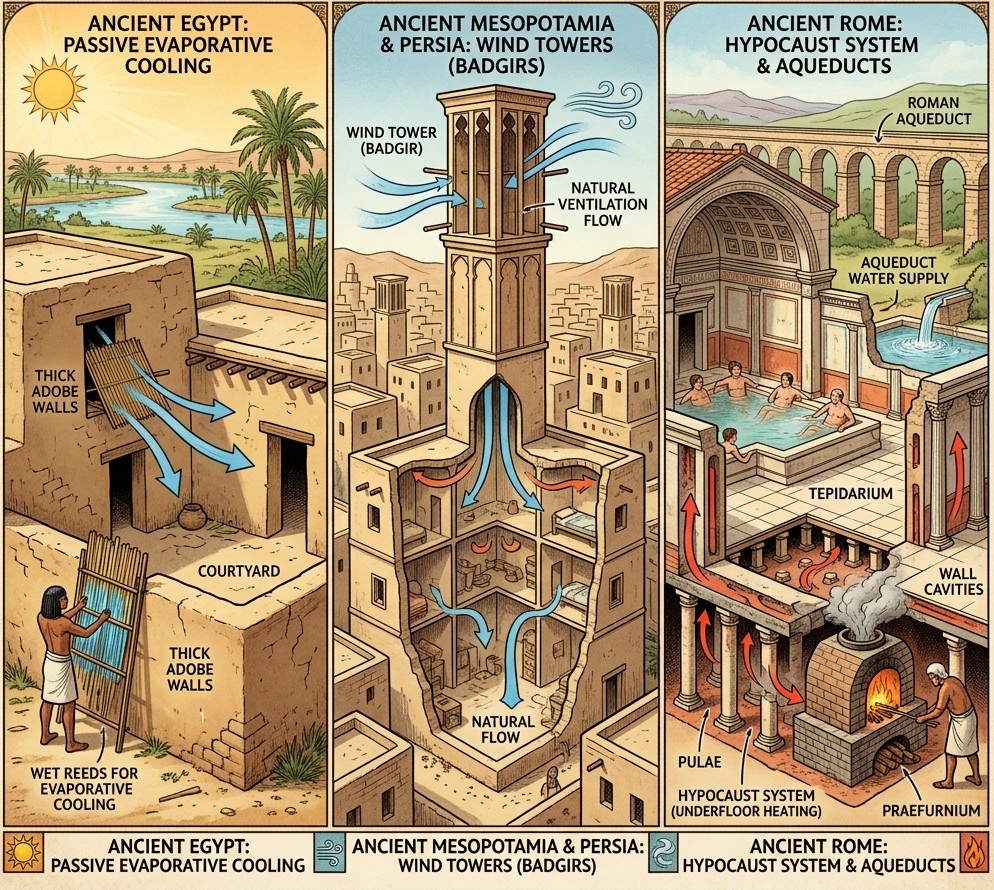
The earliest forms of heating, ventilation, and cooling can be traced back to ancient civilizations such as Ancient Egypt, Ancient Mesopotamia, and Ancient Rome. During this period, climate control relied entirely on passive design strategies rather than mechanical systems. In Ancient Egypt, buildings were constructed with thick walls, high ceilings, and small windows to reduce heat gain. Courtyards and shaded areas were commonly used to promote natural cooling. Egyptians also used wet reeds placed in windows, allowing air to cool through evaporation—an early form of evaporative cooling. In Mesopotamia and Persia, wind towers (Badgirs) were introduced. These structures captured wind and directed it into buildings, improving ventilation and cooling indoor spaces. This concept is still used in modern sustainable architecture. The most advanced development of this era came from Ancient Rome with the hypocaust system, which can be considered the first form of central heating. This system circulated hot air generated from a furnace beneath raised floors and through wall cavities, effectively heating baths and villas. Roman aqueducts also contributed to temperature regulation by supplying water for cooling and heating purposes.
2. Medieval to Pre-Industrial Era (500–1750): Slow Progress and Adaptation

After the fall of the Roman Empire, advancements in HVAC technology slowed significantly. During the medieval period, heating was primarily achieved through fireplaces and stoves, which were inefficient and poorly ventilated. Buildings during this time were designed more for protection than comfort, resulting in limited airflow and poor indoor air quality. Castles and early European structures had minimal ventilation, often leading to smoke accumulation indoors. However, some progress was made in the Islamic world and parts of Asia, where natural ventilation techniques continued to evolve. Wind towers and courtyard-based designs remained effective cooling methods in hot climates. By the 17th and 18th centuries, scientists began to study air properties and thermodynamics, laying the groundwork for future HVAC innovations. Improved chimney designs and early ventilation concepts began to emerge, but systems were still far from modern standards.
3. Industrial Revolution (1750–1900): Birth of Mechanical Systems
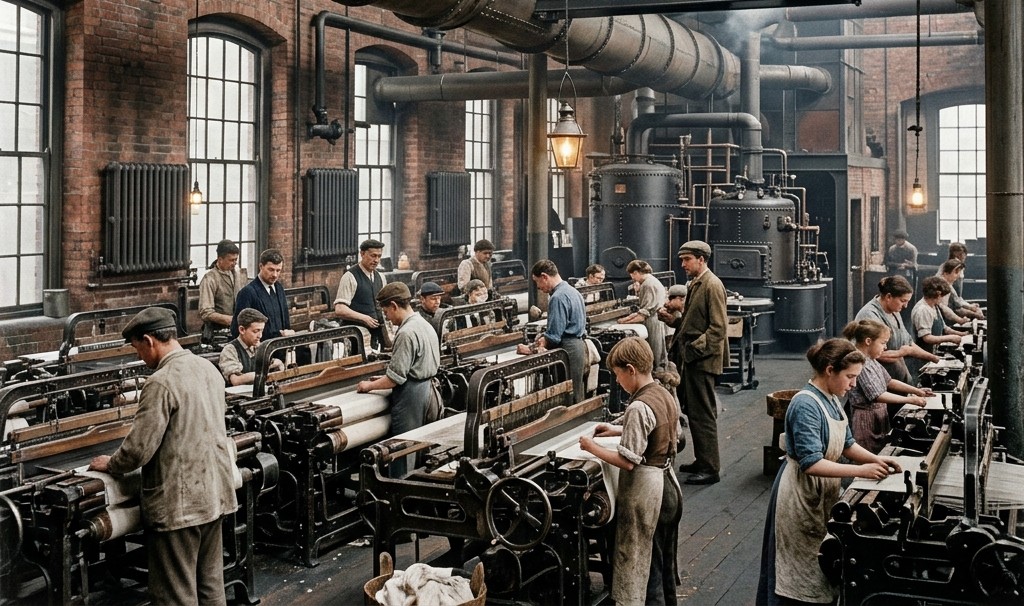
The Industrial Revolution marked a turning point in HVAC history. Rapid urbanization and industrial growth created a demand for better indoor environmental control, particularly in factories and workplaces. During this period, significant advancements were made in heating systems, including the development of steam heating and hot water systems. These systems allowed heat to be distributed more efficiently across larger buildings. Ventilation also became a major concern, especially in mines and factories where poor air quality posed serious health risks. Mechanical ventilation systems using fans and ducts began to appear. A key milestone was the development of refrigeration technology in the 19th century. Early refrigeration systems used natural ice and later evolved into mechanical refrigeration using chemicals like ammonia. This era laid the foundation for modern HVAC by introducing: Mechanical heating systems Early ventilation engineering The concept of controlled indoor environments
4. Early Modern Era (1900–1950): Invention of Air Conditioning
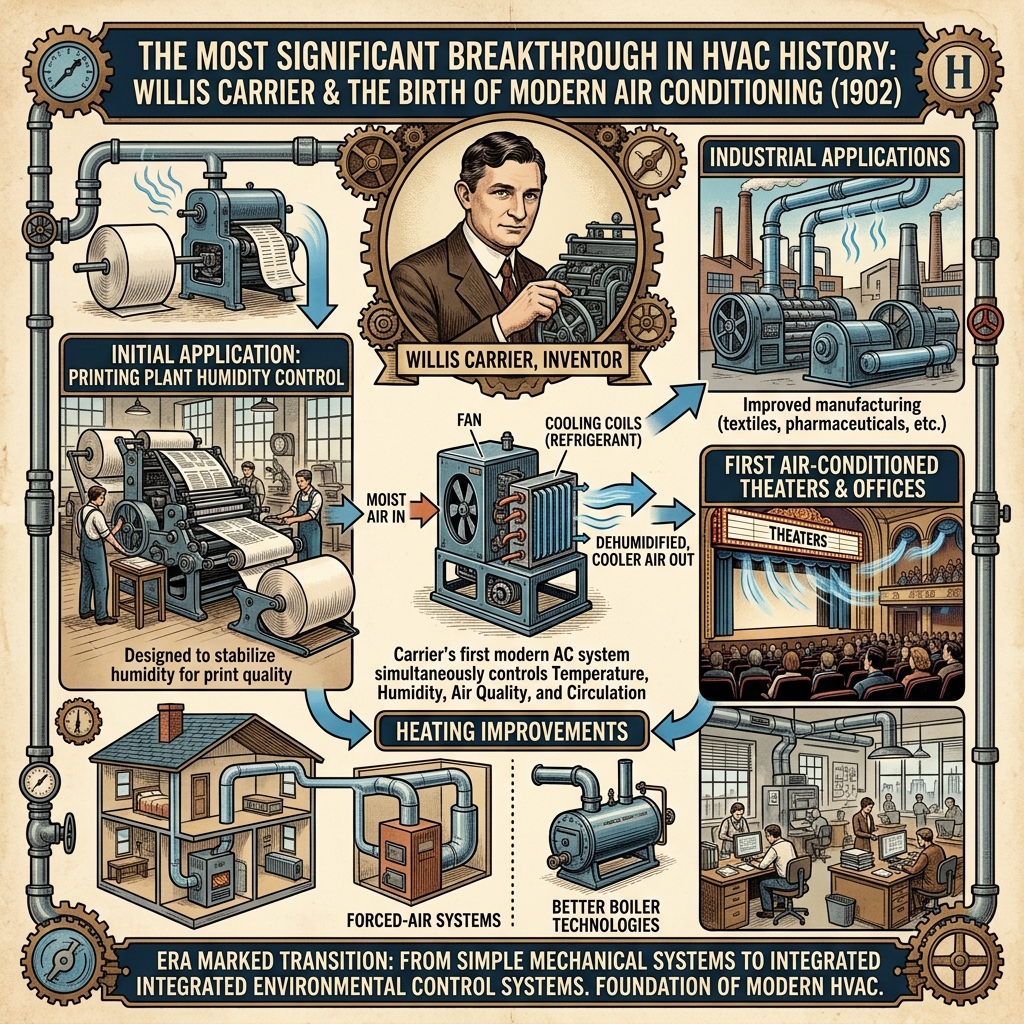
The most significant breakthrough in HVAC history occurred in 1902 when Willis Carrier developed the first modern air conditioning system. His invention was initially designed to control humidity in a printing plant but soon revolutionized multiple industries. Carrier’s system introduced the concept of controlling temperature, humidity, and air quality simultaneously, which became the foundation of modern HVAC systems. During this period: Air conditioning began to be used in industrial applications The first air-conditioned theaters and offices appeared HVAC systems started expanding into commercial buildings Heating systems also improved with the introduction of forced-air systems and better boiler technologies. This era marked the transition from simple mechanical systems to integrated environmental control systems.
5. Post-War Era (1950–1980): Expansion and Standardization
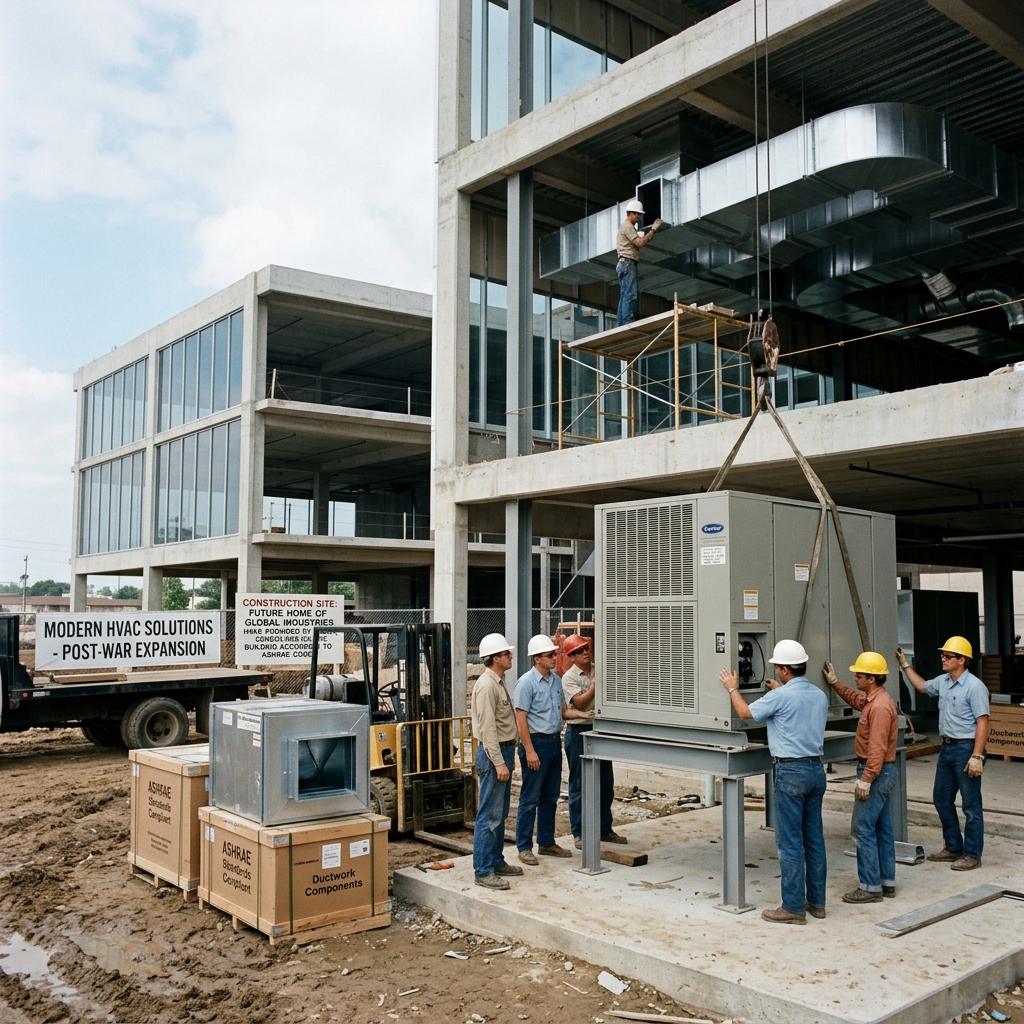
After World War II, HVAC systems became more accessible and widely used in residential, commercial, and industrial buildings. Economic growth and technological advancements led to mass production of HVAC equipment. During this period: Residential air conditioning became common Central HVAC systems were widely adopted Ductwork design improved significantly Organizations like ASHRAE were established to develop standards for system design, thermal comfort, and indoor air quality. Energy consumption became a growing concern, especially after the 1970s energy crisis, which led to the development of more energy-efficient HVAC systems.
6. Modern Era (1980–Present): Smart and Sustainable HVAC
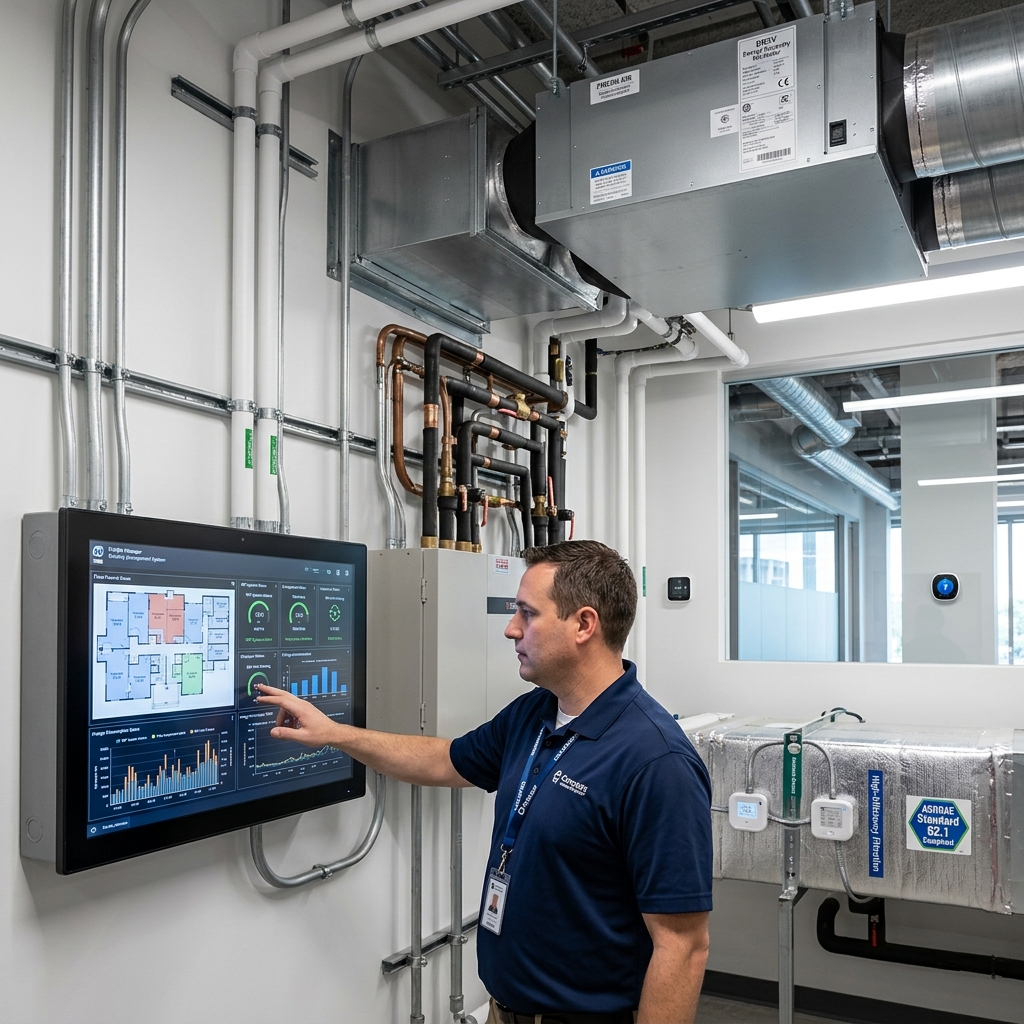
In recent decades, HVAC systems have undergone rapid transformation with the integration of digital technology, automation, and sustainability principles. Modern HVAC systems now include: Smart thermostats and sensors Building Management Systems (BMS) Variable Refrigerant Flow (VRF) systems Energy recovery ventilation (ERV) Energy efficiency and environmental impact have become top priorities. Regulations and standards from organizations like ASHRAE emphasize reducing carbon emissions and improving system performance. Additionally, HVAC systems now play a critical role in health and safety, especially after global events like pandemics, where indoor air quality and ventilation became essential.
7. Future of HVAC Systems
The future of HVAC is focused on: AI-driven automation CFD airflow simulation Net-zero energy buildings Integration with renewable energy sources Advanced air purification technologies With the rise of smart cities and sustainable infrastructure, HVAC systems are evolving into intelligent, self-optimizing systems that adapt in real time to user needs and environmental conditions.
Frequently Asked Questions
What is HVAC?
HVAC stands for Heating, Ventilation, and Air Conditioning systems.
What is CFD in HVAC?
CFD helps simulate airflow and improve system efficiency.
8. Conclusion
The evolution of HVAC systems reflects a journey from simple passive cooling techniques in ancient civilizations to highly advanced, energy-efficient systems in modern buildings. From the hypocaust systems of Ancient Rome to the groundbreaking invention of air conditioning by Willis Carrier, each era has contributed to the development of systems that enhance comfort, health, and efficiency. Today, guided by standards from ASHRAE, HVAC systems continue to evolve toward a smarter, greener, and more sustainable future. Companies like TBA Management Services provide HVAC Testing, Adjusting & Balancing (TAB), commissioning, and CFD simulation services across Karachi, Lahore, Islamabad, Faisalabad, Multan, Peshawar, Quetta, Sialkot, Okara, and Gilgit-Baltistan.
References
Explore our real-world projects on our projects page.